Smart Financial Tips For First-Time Homeowners
Strategies for first-time homeowners to learn how to budget, save, and plan for long-term success in property ownership.
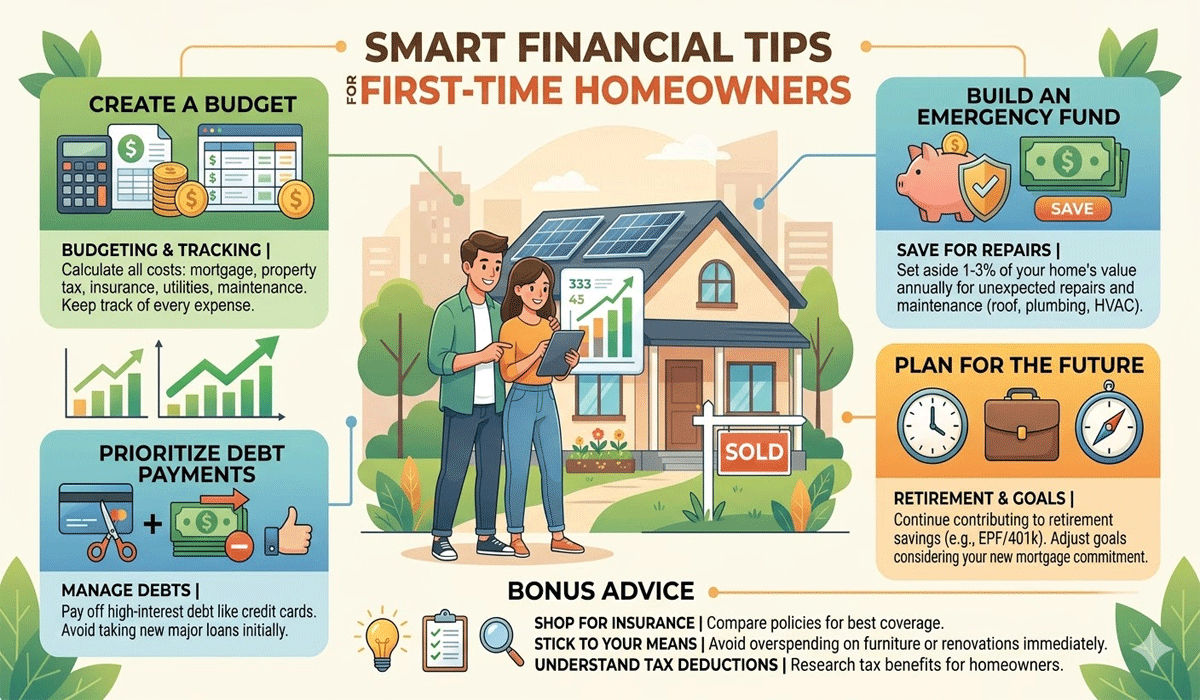
Before purchasing your first home, it’s crucial to evaluate your financial situation carefully. Start by reviewing your income, expenses, and existing debts. Understanding your financial standing will help determine how much house you can realistically afford without overextending yourself. Additionally, keep in mind that homeownership involves more than just the monthly mortgage; there are insurance, taxes, maintenance, and utility costs to consider.
A thorough assessment of your finances also includes examining your credit score. A higher credit score can help you secure lower interest rates, saving you thousands over the life of the loan. Consider paying down high-interest debts and creating a clear budget to improve your credit profile before starting your home search.
Below, FINANCIAL PLANNING will provide some explanations regarding Reinventing Learning Systems for an Innovation-Driven Future.
Save For A Down Payment And Emergency Fund
One of the biggest hurdles for first-time homeowners is gathering a sufficient down payment. Ideally, aim for at least 20% of the property’s price to avoid paying private mortgage insurance (PMI). However, even if you cannot reach that amount immediately, many loan programs allow lower down payments with manageable terms. Begin saving early and consistently to reach your target efficiently.
Alongside the down payment, maintain an emergency fund specifically for homeownership expenses. Unforeseen issues such as appliance breakdowns, plumbing problems, or roof repairs can occur at any time. Having a dedicated emergency fund prevents you from dipping into savings or taking high-interest loans during such situations.
Budget For Ongoing Expenses
Buying a home is just the beginning; managing ongoing costs is equally important. Monthly mortgage payments are only one component of your total housing costs. Property taxes, homeowners insurance, utilities, and maintenance fees can add up quickly. Creating a detailed monthly budget that includes these expenses ensures that you are financially prepared and can enjoy your new home without unnecessary stress.
It’s also wise to plan for periodic or unexpected expenses such as landscaping, repairs, or upgrades. Allocating a portion of your income for these costs helps you avoid financial strain and protects the value of your property. Maintaining a flexible and realistic budget is key to sustainable homeownership, ensuring that your investment grows over time rather than becoming a financial burden.
Also Read: Expert Guide to Success in Home Investing and Financial Planning
Consider Long-Term Financial Goals
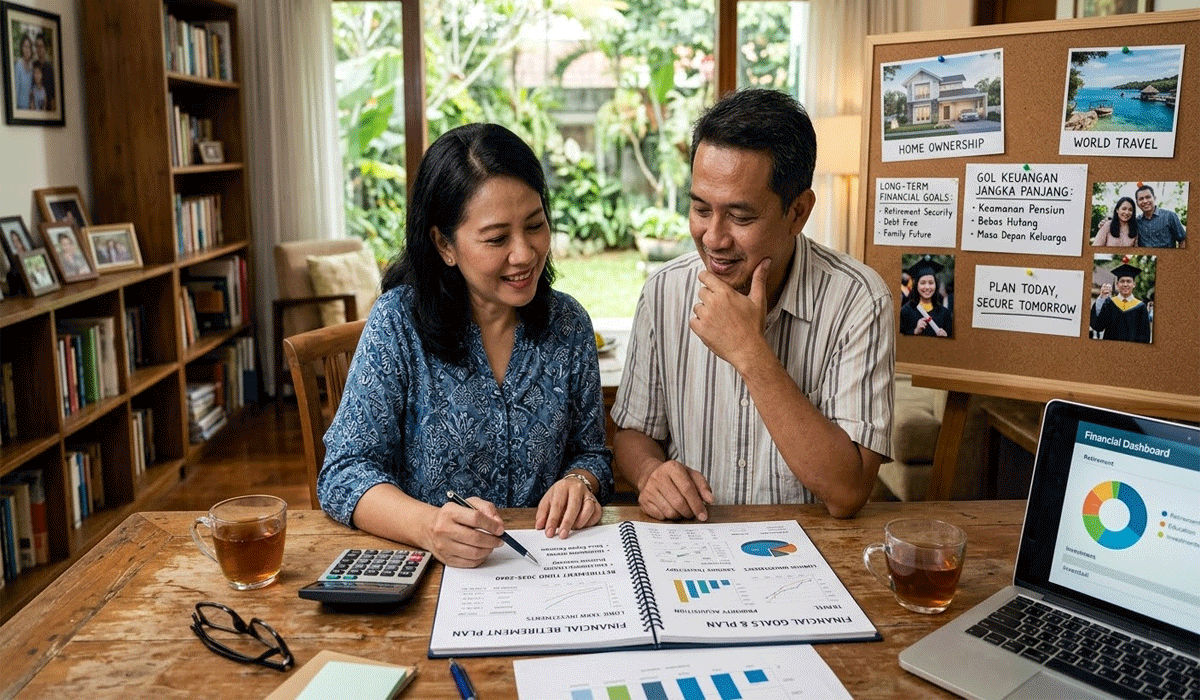
Homeownership should align with your broader financial objectives. Think about your career plans, potential family growth, and long-term investment strategies. For example, purchasing a property in a high-growth neighborhood can provide strong appreciation and potential rental income in the future.
Additionally, integrate your mortgage strategy with other financial goals such as retirement savings or debt repayment. Overpaying on your mortgage can save interest, but it should not come at the expense of other essential savings. Balancing homeownership with long-term financial planning ensures that your first home becomes a stepping stone to greater financial security rather than a source of stress.
Conclusion
Becoming a first-time homeowner is an exciting milestone, but it requires careful financial planning and smart decision-making. By assessing your readiness, saving for down payments and emergencies, budgeting for ongoing expenses, and considering long-term goals, you create a solid foundation for sustainable homeownership.
Ultimately, thoughtful financial strategies empower first-time homeowners to turn a house into a valuable asset and a stable part of their future. With proper preparation, discipline, and realistic expectations, your first home can be both a comfortable living space and a significant financial achievement.
For the latest and most interesting related information, you can also click the TEACHING link.
Image Source:
First Image from worldluxuryassociation.org
Second Image from kcppromoters.com