Modern Residential Living: Designing Comfort and Community
Modern residential living is no longer just about providing shelter it is about creating spaces that foster comfort and a strong sense of community.
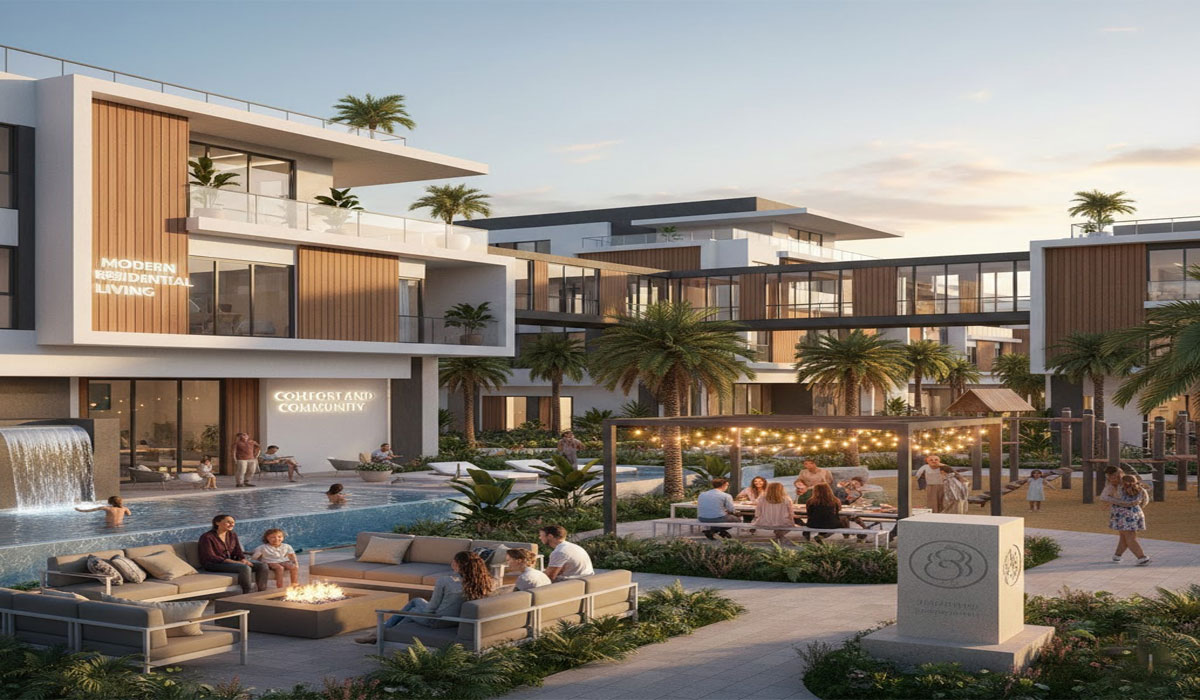
As lifestyles evolve, residential design has shifted toward integrating convenience, sustainability, and social connection into everyday living.
This Buy Home Site article explores how modern residential developments are designed to balance private comfort with shared experiences, ensuring that residents feel both secure and connected.
Prioritizing Comfort in Contemporary Homes
Comfort is at the heart of modern residential design. Architects and developers focus on natural lighting, proper ventilation, and smart space planning to create environments that enhance well-being. Open floor plans, large windows, and ergonomic layouts help maximize both physical and psychological comfort.
In addition, modern homes often incorporate smart technology systems that allow residents to control lighting, temperature, and security with ease. These features not only increase convenience but also contribute to a more personalized and relaxing living experience tailored to individual needs.
Smart Technology and Sustainable Solutions
Technology plays a significant role in shaping modern residential living. Smart home systems improve efficiency, reduce energy consumption, and provide enhanced security. From automated lighting to energy-monitoring systems, innovation is seamlessly integrated into daily life.
Sustainability is equally important. Eco-friendly materials, energy-efficient appliances, solar panels, and green building practices reduce environmental impact while lowering long-term costs for residents. Modern developments aim to create homes that are both technologically advanced and environmentally responsible.
Read Also: How Technology Is Transforming Residential Living
Designing Spaces for Community Interaction
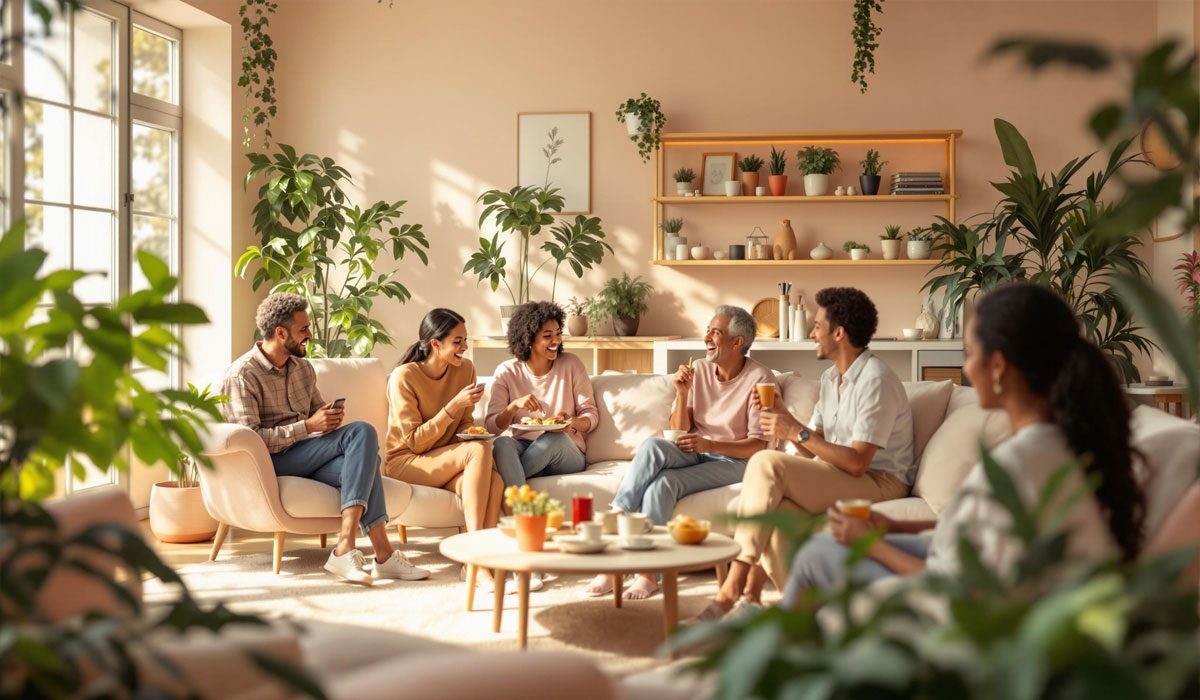
While private comfort remains essential, modern residential living also emphasizes shared spaces that encourage interaction. Community lounges, rooftop gardens, co-working spaces, and recreational facilities create opportunities for residents to connect and build relationships.
Thoughtful urban planning ensures that residential complexes include pedestrian-friendly walkways, green areas, and gathering spots. These shared environments promote a sense of belonging and strengthen social bonds among neighbors.
Wellness-Oriented Living Environments
Health and wellness are increasingly integrated into residential design. Fitness centers, walking paths, yoga studios, and landscaped gardens contribute to physical and mental well-being. Access to natural elements, such as greenery and water features, enhances relaxation and reduces stress.
Developers also prioritize air quality, noise reduction, and access to natural sunlight. By focusing on holistic well-being, modern residences support healthier lifestyles for individuals and families alike.
Flexibility for Changing Lifestyles
Modern living requires adaptable spaces that accommodate evolving needs. Remote work, hybrid learning, and multi-functional living arrangements have influenced residential layouts. Flexible rooms that can serve as home offices, study areas, or guest rooms are now common.
Furniture design and modular concepts further support adaptability. This flexibility ensures that homes remain functional and relevant as residents’ lifestyles change over time.
Building a Sense of Belonging
Beyond architecture and amenities, modern residential living aims to cultivate a genuine sense of belonging. Community events, shared facilities, and inclusive design create environments where people feel valued and connected.
When comfort, technology, sustainability, and community come together, residential spaces become more than just places to live they become thriving ecosystems that nurture relationships and enhance quality of life.
Conclusion
Modern residential living represents a thoughtful blend of comfort, innovation, and community engagement. By prioritizing smart design, sustainability, wellness, and social interaction, contemporary homes offer more than convenience they provide a foundation for meaningful living.
As urban environments continue to evolve, the future of residential design will increasingly focus on creating spaces that are not only functional and beautiful but also deeply connected to the people who inhabit them.
Image Information Source:
- First Image: buyhomeitems.com
- Second Image: coliving.com