How to Manage Your Finances in an Age of Expensive Things
Practical strategies for managing finances to remain stable amid rising prices, helping financial planning to be wiser and more focused.
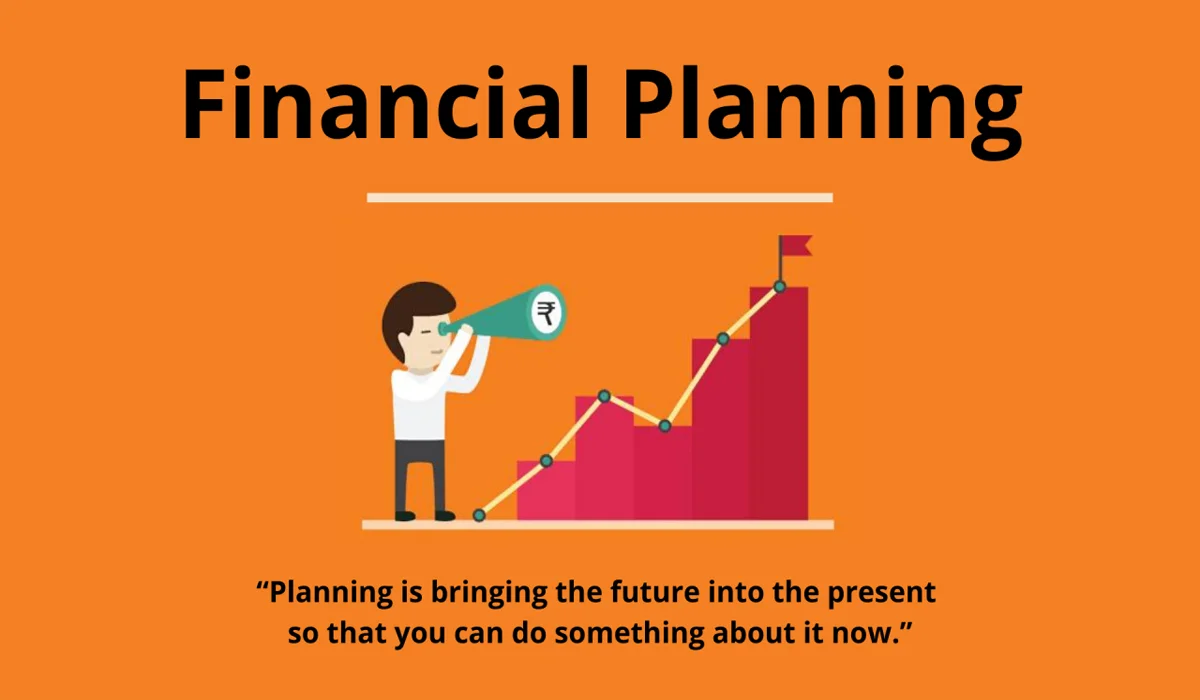
Finance is the process of managing income and expenses in a planned manner so that needs are met while maintaining the individual’s daily economic stability. Below Buy Home Site – Helping You Find Your Pe… will discuss strategic steps to manage financial conditions effectively amidst increasing economic pressure.
The Importance of Budget Planning
Budget planning helps discipline cash flow control so that every expense has a clear and measurable purpose. The process of financial management begins with regularly recording income and expenses to understand overall patterns of fund usage. With this data, one can prioritize needs and gradually reduce non-essential expenses. For example, limit monthly entertainment expenses or reduce impulsive purchases that often occur without careful consideration.
Good planning also helps prepare an emergency fund to deal with unexpected situations such as medical needs or urgent repairs. Without a clear budget, financial well-being can easily be disrupted by small expenses that accumulate without realizing it. Therefore, creating a simple but consistent budget is a crucial first step in maintaining long-term financial stability in a sustainable and effective manner.
Differentiating Needs and Wants
The ability to distinguish between needs and wants is essential for maintaining financial balance to avoid detrimental waste. In the process of financial management, one must understand that needs are urgent and must be met, while wants can be postponed or reduced. For example, needs such as food and shelter should be prioritized over purchasing entertainment items or temporary trends.
A common mistake occurs when wants are considered needs, leading to increased spending without clear control. By making a habit of evaluating before purchasing, financial decisions become more rational and focused. This approach also helps increase awareness of the value of money and the importance of wise management. Gradually, this habit will foster a frugal lifestyle and greater stability in the face of increasingly complex and dynamic economic pressures.
Also Read: A Guide To Buying a Used Home That’s Still Livable
Creating an Emergency Fund

An emergency fund serves as financial protection when facing unexpected circumstances that require large expenses quickly. Managing finances by establishing an emergency fund provides a sense of security because risks can be anticipated without having to go into debt or disrupting primary needs. Ideally, an emergency fund should cover three to six months of living expenses to cover various unexpected contingencies.
Funds should be placed in easily accessible instruments, such as a dedicated savings account, to maintain flexibility when needed. Many people neglect this step, resulting in difficulties when facing unplanned emergencies. By disciplining yourself to set aside a portion of your income each month, you can gradually build an emergency fund without feeling overwhelmed. This habit will strengthen your financial foundation and help maintain consistent, long-term financial stability.
Controlling Daily Expenses
Daily expenses are often the main cause of financial leaks because they occur continuously without close monitoring. When managing finances, it’s important to record every transaction to clearly see how money is spent each day. Simple methods like recording in an app or diary can help raise awareness of consumption patterns. By understanding these habits, one can identify unnecessary expenses and begin to gradually reduce them.
For example, reducing purchases of outside drinks or instant foods that can actually be prepared at home at a lower cost. Controlling expenses also helps maintain a balance between income and routine needs. Discipline and consistency in these habits will have a significant impact on long-term financial stability without having to make extreme changes that are difficult to implement.
Image Source:
First Image from: www.linkedin.com
Second Image from: finlocker.com