Complete Home Buying Guide for Smart Property Decisions
Buying a home is not only about finding a place to live but also about making a strategic investment.

By understanding key steps such as budgeting, location analysis, legal checks, and financing options, buyers can avoid common mistakes and secure a property that matches both lifestyle and financial goals.
This Buy Home Site article will provides a comprehensive guide to buying a home with a smart and structured approach. Purchasing a property is one of the most important financial decisions in life, requiring careful planning, market understanding, and long-term financial consideration. A well-informed decision can lead to financial stability and long-term value growth.
Understanding Your Financial Capacity
Before starting the home buying process, it is essential to evaluate your financial situation. This includes income, savings, existing debts, and monthly expenses. Knowing your financial capacity helps determine a realistic property price range.
A common approach is calculating affordability based on income ratios, ensuring that monthly mortgage payments remain manageable. Overstretching finances can lead to long-term stress and financial instability.
It is also important to prepare additional funds for upfront costs such as down payments, taxes, insurance, and maintenance expenses. These costs are often underestimated by first-time buyers.
Choosing the Right Location
Location is one of the most critical factors in property decisions. A good location not only improves living comfort but also influences future property value.
Factors to consider include access to transportation, schools, healthcare facilities, and business centers. Areas with strong infrastructure development tend to show better long-term appreciation.
Safety, neighborhood quality, and future development plans should also be carefully evaluated. A well-chosen location can significantly enhance both lifestyle and investment potential.
Read Also: How to Manage Your Finances in an Age of Expensive Things
Property Type Selection
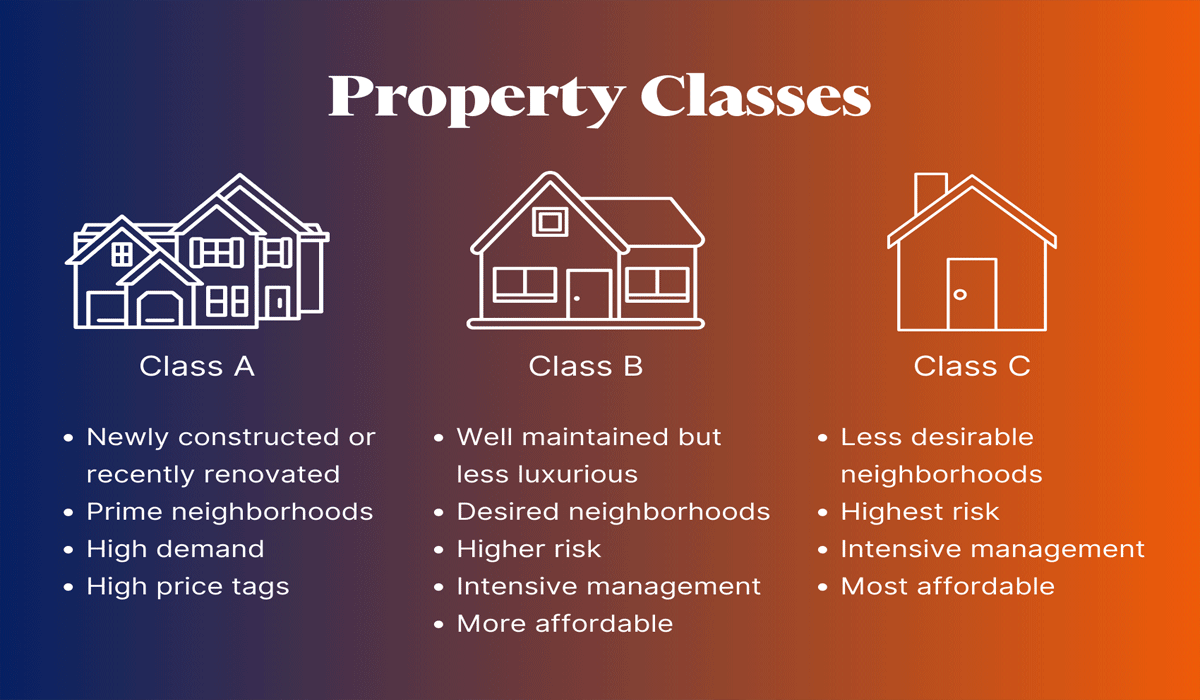
Different property types offer different advantages. Buyers can choose between apartments, landed houses, townhouses, or commercial residential units depending on their needs and budget.
Apartments often provide convenience and security, while landed houses offer more space and privacy. Understanding lifestyle preferences is key to making the right choice.
It is also important to consider long-term usability. A property should not only meet current needs but also remain suitable in the future as circumstances change.
Understanding Mortgage and Financing Options
Most home purchases involve financing through mortgages or loans. Understanding different financing options helps buyers choose the most suitable repayment plan.
Interest rates, loan tenure, and repayment structure all affect total payment over time. A lower interest rate can significantly reduce long-term costs.
Buyers should also compare offers from different financial institutions. Choosing the right financing plan ensures financial stability throughout the repayment period.
Legal Verification and Documentation
Legal checks are a crucial part of the home buying process. Buyers must ensure that the property has clear ownership and is free from disputes or legal complications.
Important documents include land titles, building permits, and sales agreements. Verifying these documents helps avoid future legal issues.
It is highly recommended to seek professional legal assistance when reviewing contracts. This ensures that all terms are fair and properly understood before finalizing the purchase.
Property Inspection and Condition Assessment
Before making a purchase, a thorough property inspection is necessary. This helps identify potential structural issues or maintenance needs.
Key areas to inspect include plumbing, electrical systems, roofing, and foundation quality. Hidden damages can lead to high repair costs in the future.
A professional inspection can provide a more detailed assessment and help buyers make informed decisions based on actual property condition.
Market Research and Price Evaluation
Understanding market trends is essential for making smart property decisions. Buyers should compare similar properties in the same area to evaluate fair pricing.
Market conditions such as demand, supply, and economic factors can influence property prices. Buying at the right time can lead to better value and long-term gains.
Researching historical price trends also helps determine whether a property is reasonably priced or overpriced.
Long-Term Planning and Investment Perspective
A home should be viewed not only as a living space but also as a long-term financial asset. Property value can increase over time, contributing to wealth growth.
Long-term planning includes considering future needs such as family expansion, relocation possibilities, or rental potential. A flexible property choice provides more financial security.
Thinking ahead helps ensure that the property remains valuable and functional for many years.
Conclusion
Buying a home is a major financial decision that requires careful planning, research, and evaluation. By understanding financial capacity, choosing the right location, analyzing property types, and verifying legal documents, buyers can make smarter and safer decisions.
A structured approach helps reduce risks and ensures long-term satisfaction. With proper preparation and informed judgment, home ownership becomes not only a lifestyle achievement but also a strong financial investment for the future.
First Image: schumacherliving.com
Second Image: equitymultiple.com