Smart Tips and Guides for Buying Your First Home
Buying your first home is one of life’s biggest decisions that requires careful planning, financial considerations.

It requires careful planning, financial preparation, and a clear understanding of the property purchasing process. Without proper guidance, many first-time buyers can feel overwhelmed or make costly mistakes. The following Buy Home Site is a smart guide to help you achieve your dream home in a safer and more confident way.
Setting Your Budget and Financial Capability
The first step in buying a home is understanding your financial condition in detail. You need to calculate your monthly income, regular expenses, and your ability to pay installments if you choose a mortgage. This helps you determine a realistic price range for the home you can afford without putting your finances under pressure.
In addition, you must prepare extra costs such as down payment, notary fees, taxes, and administrative charges. Many buyers only focus on the house price, but these additional costs can be significant and must be included in your early planning.
If possible, create a long-term financial plan specifically for purchasing a house. Set aside a dedicated fund and avoid using it for other needs. With strong financial discipline, the home-buying process will become smoother and more controlled.
Choosing a Strategic and Comfortable Location
Location is one of the most important factors when buying a house. A good home is not only comfortable inside but also has easy access to workplaces, schools, healthcare facilities, and shopping centers. A strategic location can also increase the property’s value in the future.
Besides accessibility, you should also consider the surrounding environment. Make sure the area is safe, not prone to flooding, and has a comfortable atmosphere for long-term living. It is highly recommended to visit the location at different times of the day to get a clearer picture.
You should also evaluate the future development potential of the area. Developing regions often offer more affordable prices while having strong potential for value appreciation. This can be a great advantage if you view your home as a long-term investment.
Read Also: The Complete Guide to Buying Your First Home Without Costly Mistakes
Understanding Legal Documents and Property Status
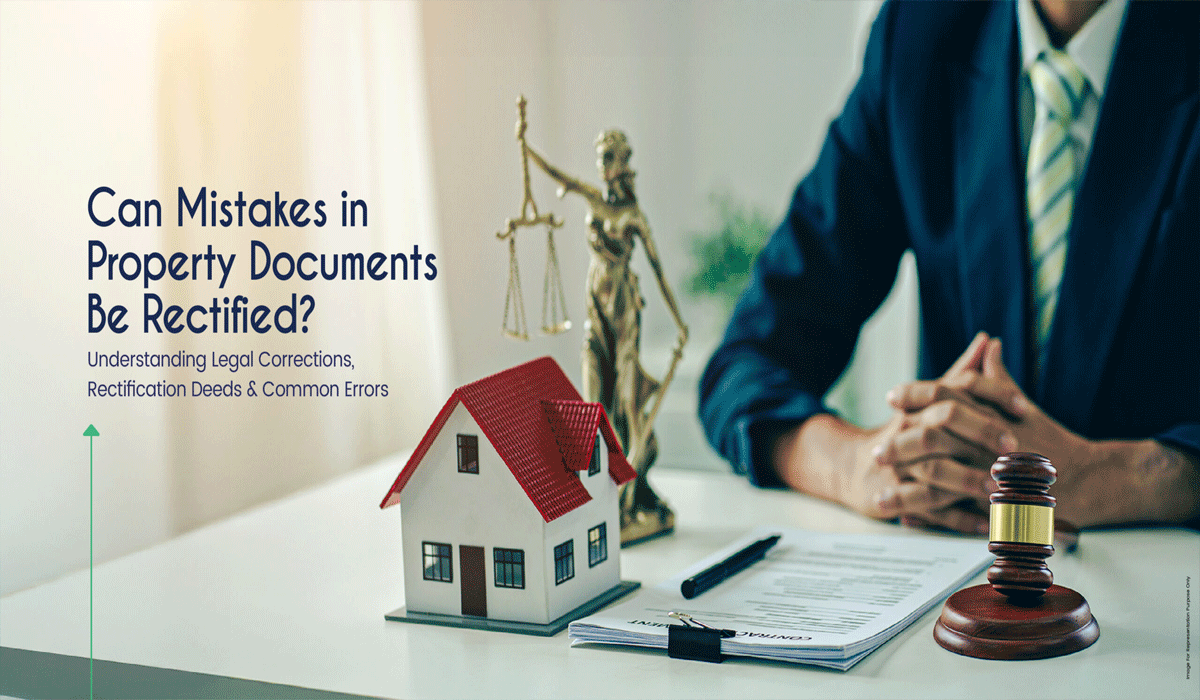
Before purchasing a house, ensure that all legal documents are complete and valid. These include land certificates, building permits (IMB), and clear ownership status. Proper documentation ensures that your ownership rights are legally protected.
You also need to confirm that the property is free from disputes or legal issues. To ensure safety, you can seek assistance from a notary or legal authority to verify all documents before completing the transaction.
Do not be tempted by low prices without checking legal clarity. Many cases show that cheap properties come with complicated legal problems. Therefore, careful verification is essential at this stage to avoid future risks.
Choosing Mortgage Options and Payment Schemes
If you are not buying in cash, a mortgage (home loan) is the most common solution. Before choosing a bank, compare interest rates, loan terms, and administrative fees offered. Each bank has different policies, so careful comparison is important.
You should also ensure that monthly installments fit your financial capability. Ideally, mortgage payments should not exceed 30–40% of your monthly income to maintain financial stability and daily living comfort.
Additionally, consider promotional offers from developers or banks, such as lower initial interest rates or reduced down payments. However, always read the terms and conditions carefully to avoid hidden costs in the future.
Conclusion
Buying your first home is not just about owning a place to live, but also about making a smart long-term financial decision. By understanding your budget, choosing a strategic location, ensuring legal clarity, and planning your payment method wisely, you can minimize risks and avoid common mistakes. With proper preparation, you will be one step closer to owning a safe, comfortable, and valuable dream home in the future.