Current Home Styles: Gen Z’s Favorite Minimalist Home Tips
Rather than filling spaces with excessive furniture and decorations, Gen Z prefers clean layouts that promote calmness and clarity.
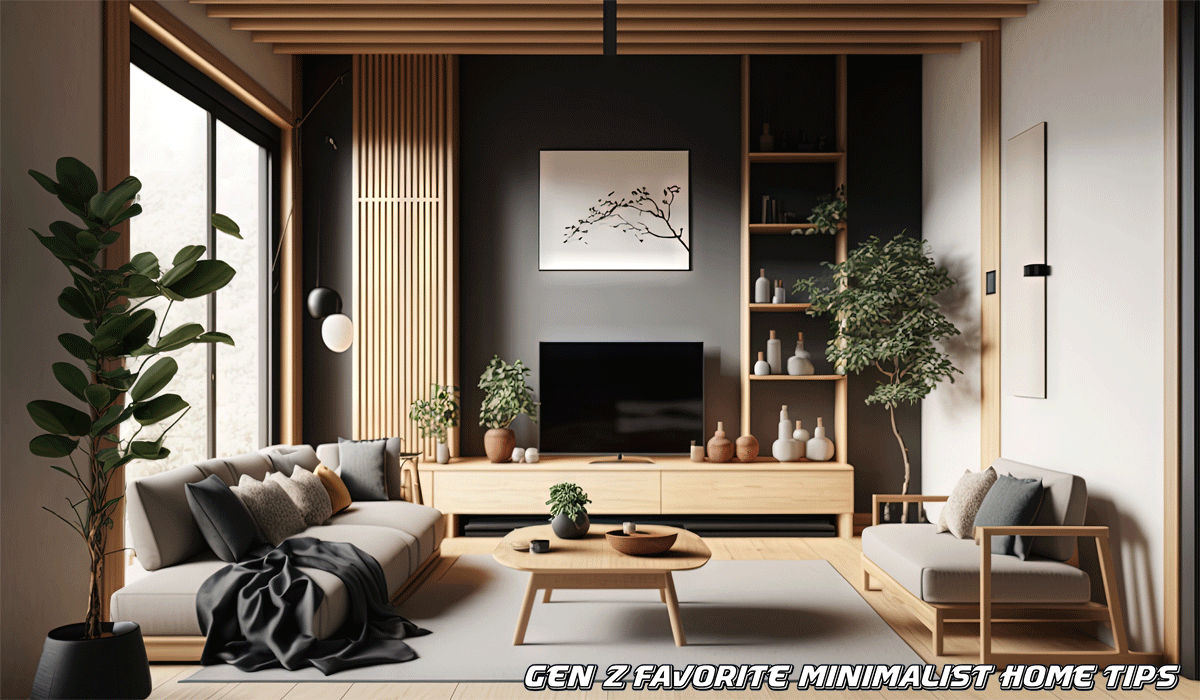
In recent years, minimalist home design has gained significant popularity among Gen Z. This generation values simplicity, functionality, and intentional living, which naturally aligns with minimalist principles. Their approach is not just about aesthetics, but also about creating an environment that supports mental well-being and productivity.
Additionally, the influence of social media platforms has shaped how Gen Z views home design. Clean, clutter-free spaces with natural lighting and neutral tones dominate their feeds, inspiring them to adopt similar styles. Minimalism, for Gen Z, is not about sacrificing comfort but about curating a space that feels personal, meaningful, and easy to maintain in a fast-paced lifestyle.
Below, TEACHING will provide some explanations regarding Reinventing Learning Systems for an Innovation-Driven Future.
Smart Use of Space and Multifunctional Furniture
One of the key elements of Gen Z’s minimalist homes is the efficient use of space. With many living in smaller apartments or shared housing, maximizing every corner becomes essential. Multifunctional furniture, such as foldable desks, sofa beds, and storage-integrated tables, is a top choice. These pieces help maintain a tidy environment while still offering practicality for daily needs.
Moreover, Gen Z emphasizes flexibility in their living spaces. Rooms are often designed to serve multiple purposes, such as a bedroom doubling as a workspace. This adaptability reflects their dynamic lifestyle, where work, study, and relaxation often happen in the same area. By prioritizing smart layouts and versatile furniture, they achieve both efficiency and comfort without overcrowding their homes.
Neutral Colors and Natural Elements
Color selection plays a major role in creating a minimalist aesthetic. Gen Z tends to favor neutral palettes such as white, beige, grey, and soft earth tones. These colors create a sense of openness and calm, making even small spaces feel larger and more inviting. Neutral tones also provide a perfect backdrop for subtle decorative accents without overwhelming the space.
In addition to color, natural elements are frequently incorporated to add warmth and texture. Materials like wood, rattan, and linen bring a sense of balance and connection to nature. Indoor plants are also a popular choice, not only for their visual appeal but also for their ability to improve air quality and create a refreshing atmosphere. This combination of neutral colors and natural touches defines the signature look of Gen Z minimalism.
Also Read: Preparing Emergency Funds for Home and Property Investments
Personalization Without Clutter
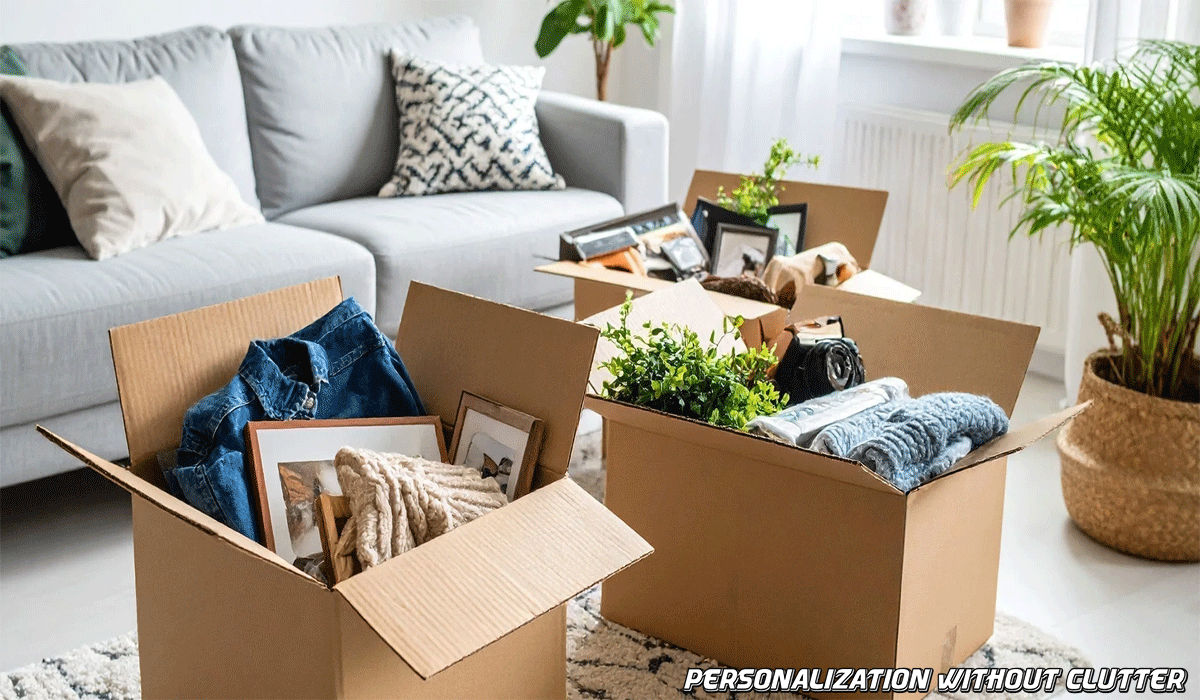
While minimalism emphasizes simplicity, Gen Z still values self-expression in their living spaces. Instead of filling rooms with random items, they carefully select a few meaningful decorations that reflect their personality. This could include framed artwork, photographs, or curated shelves with favorite books and objects. The goal is to create a space that feels authentic without appearing crowded.
Technology also plays a role in personalization. Smart lighting, wireless devices, and sleek gadgets are seamlessly integrated into the home design. These elements enhance convenience while maintaining a clean and modern look. By balancing personalization with simplicity, Gen Z creates homes that are both stylish and uniquely their own.
Conclusion
Gen Z’s approach to minimalist home design reflects a broader shift toward intentional and mindful living. By focusing on simplicity, functionality, and comfort, they create spaces that support both their physical and mental well-being. Their preference for clean layouts, multifunctional furniture, and neutral tones highlights a desire for balance in an increasingly complex world.
Ultimately, minimalist homes for Gen Z are not just about following trends but about building environments that align with their values and lifestyles. Through thoughtful design choices and a focus on quality over quantity, they demonstrate that less truly can be more when it comes to creating a meaningful and comfortable living space.
For the latest and most interesting related information, you can also click the TEACHING link.
Image Source:
First Image from luckyattitude.co.uk
Second Image from japandi.art